Ever wondered what happens when the government wants to take an empty piece of property for a road or new school? Eminent domain for vacant land is a process that can feel confusing and overwhelming, especially if it’s your land on the line. In this guide, you’ll learn what eminent domain is, how it works for vacant lots, what rights you have, and how to protect yourself if your property is targeted.
What Is Eminent Domain and How Does It Apply to Vacant Land?
Eminent domain is the government’s legal right to take private property for public use, as long as they pay the owner fair compensation. This power is used for things like highways, parks, schools, or utilities. But it’s not just homes or businesses that get taken. Vacant land is often targeted because it’s usually easier (and sometimes less costly) for a city or state to acquire empty lots than to displace existing buildings or families.
When eminent domain for vacant land comes into play, the government must prove two things. First, the taking must be for a true public purpose. Second, the property owner must be paid what’s called “just compensation.” This means the fair market value of the land, based on what someone would reasonably pay for it if it were sold today.
Why Does the Government Take Vacant Land?
There are a few main reasons vacant land gets targeted for eminent domain:
- Infrastructure Projects: New roads, highways, or railways often need large, unbuilt areas.
- Public Facilities: Parks, schools, fire stations, and hospitals sometimes need more space as communities grow.
- Utilities: Power lines, pipelines, or water treatment plants require clear corridors of land.
Vacant land is attractive to the government because it typically means fewer complications. There’s usually no need to relocate families or businesses, and demolition costs are lower. But just because the land is empty doesn’t mean the process is simple or that owners have no rights.
What Counts as “Vacant Land” in Eminent Domain?
Not all empty lots are treated the same. In eminent domain cases, “vacant land” usually refers to property that has no buildings or permanent structures. It may be an open field, a wooded area, or even a lot with an old foundation but no standing house.
Some important distinctions include:
- Undeveloped Land: Never built on, or in its natural state.
- Improved But Unoccupied Land: Has utilities, grading, or a driveway but no buildings.
- Transitional Land: Planned for future development but not built out yet.
How the land is classified can affect both how it’s valued and what compensation you might receive.
The Eminent Domain Process for Vacant Land Owners
If you own vacant land and receive notice that it’s being considered for eminent domain, here’s a general outline of what happens next:
Step 1: Notice of Intent
The government or agency will notify you in writing that they’re interested in your property for a public project. This is often called a “Notice of Intent” or “Notice of Condemnation.” It’s not the same as a final decision, but it’s the official start of the process.
Step 2: Appraisal and Offer
Next, the agency will have the land appraised. An appraiser will look at recent sales of similar vacant lots, current zoning, access to utilities, and potential for development. Based on this, they’ll make you a written offer, which is supposed to reflect the land’s fair market value.
You aren’t required to accept the first offer. You have the right to get your own independent appraisal and to negotiate. In some states, the government may even reimburse you for this cost.
Step 3: Negotiation
Negotiation is common in eminent domain for vacant land. You can present evidence (like a higher independent appraisal or plans for future development) that supports a higher value. Sometimes, negotiations result in a better offer or additional compensation for things like loss of access or damages to the remainder of a larger property.
Step 4: Condemnation Lawsuit
If you and the government can’t agree on a price, the agency may file a “condemnation action” in court. Here, a judge or jury decides what fair compensation should be. This is a legal process with deadlines and formal steps, so it can be helpful to have an attorney or expert witness on your side.
Step 5: Payment and Transfer
Once the court sets a price or you reach a settlement, the government pays you and takes ownership of the land. You’ll need to move any personal items, but since the land is vacant, this is usually simple.
How Is Vacant Land Valued in Eminent Domain Cases?
Figuring out what your vacant land is worth isn’t always straightforward. Appraisers use several methods to estimate fair market value. The most common is the “comparable sales” approach, which looks at what similar lots nearby have sold for recently.
Other factors that can affect value include:
- Zoning: Is the land zoned for homes, businesses, or industrial use?
- Development Potential: Is the land ready to build, or does it need roads, water, or permits?
- Access and Location: Is it easy to reach, or is it landlocked?
- Environmental Conditions: Is the soil stable? Are there wetlands or protected habitats?
Sometimes, owners and the government disagree about these factors. For example, you might believe your land is worth more because it could be turned into a subdivision, but the agency may argue it’s just a field with limited use. This is where having an expert witness and a good appraisal can make a big difference.
Common Challenges and Mistakes Vacant Land Owners Face
Eminent domain for vacant land comes with its own set of hurdles. Here are some of the most common issues owners run into:
- Underestimating Value: Owners sometimes accept the first offer without checking if it’s fair. Getting your own appraisal is key.
- Missing Hidden Value: Sometimes land has extra value if it’s part of a larger development plan or has special features like mineral rights.
- Not Considering “Severance Damages”: If the taking splits your property or leaves a piece unusable, you may be owed extra compensation.
- Waiting Too Long to Respond: There are often strict timelines for responding to offers or legal actions. Missing deadlines can limit your options.
- Trying to Go It Alone: Even though it’s just vacant land, the process can be technical. Having legal and appraisal help usually pays off.
Your Rights as a Vacant Land Owner
It’s easy to feel powerless against the government, but you do have important rights. Here’s what you should know:
- You have the right to receive written notice before any action is taken.
- You have the right to fair market value compensation. This doesn’t mean the lowest possible price.
- You can hire your own appraiser, attorney, or expert witness to support your case.
- You can negotiate, and you don’t have to accept the first offer.
- You can challenge the taking in court if you think it’s not truly for public use or if you believe the offer is unfair.
How to Prepare and Protect Yourself
If you think your vacant land might be targeted, or if you’ve received a notice, here’s what you can do to protect your interests:
- Keep Good Records: Save all documents about your property, including any offers, appraisals, and communications from the government.
- Get a Professional Appraisal: An independent appraiser can give you a realistic idea of your land’s value.
- Consult an Expert Witness: Especially if the case is complex or the land has special uses, an expert witness can explain why your land is worth more and help in negotiations or court.
- Act Quickly: Respond to notices and offers promptly. Delays can weaken your position.
- Understand Your Rights: Don’t be afraid to ask questions. Many states have resources for property owners in condemnation cases.
[Inline Image Placeholder]
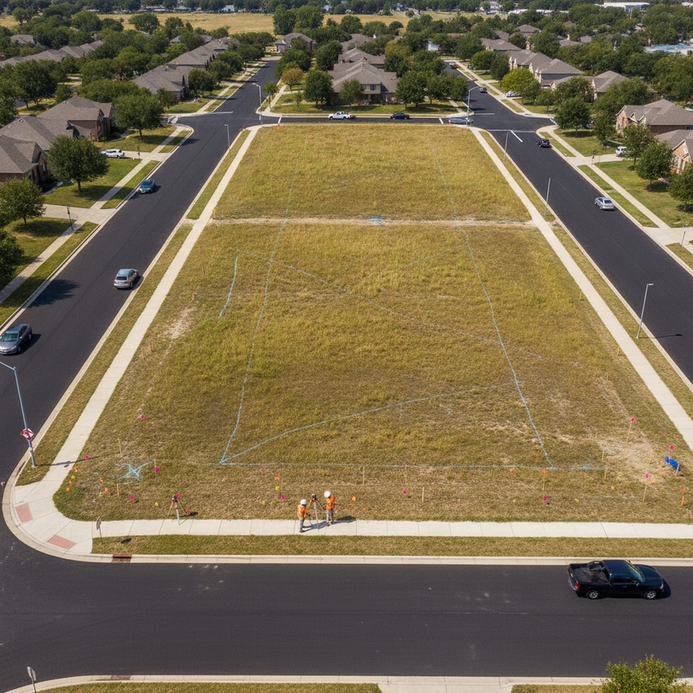
alt text: Aerial view of a large vacant field bordered by a city road, with surveyors and construction markings in the foreground. AI image prompt: “Aerial photograph of a vacant land parcel in a suburban area, showing clear property lines, nearby roads, and surveyors marking boundaries, sunny weather.”
Conclusion
Eminent domain for vacant land can feel like a complicated and stressful process, but you have rights and options every step of the way. Understanding how your land is valued, knowing what to expect, and getting the right help can make a big difference in the outcome. Contact us to learn more.