Ever wondered what really happens when an expert witness takes the stand in an eminent domain case? Eminent domain expert witness cross-examination is one of the most critical, and nerve-wracking, parts of any condemnation trial. Whether you’re an attorney preparing for court or a property owner facing a government taking, understanding this process can make all the difference. In this guide, you’ll learn what cross-examination is, how experts get challenged, what lawyers look for, and how both sides can prepare. Let’s demystify this key part of eminent domain litigation together.
What Is Cross-Examination in Eminent Domain Cases?
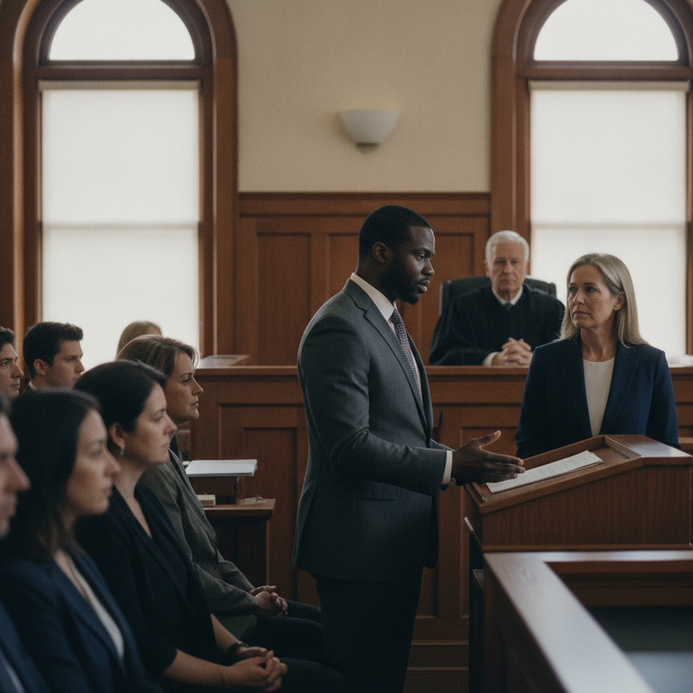
Cross-examination is when a lawyer questions the other side’s expert witness in court. In eminent domain cases, this usually means a government or property owner’s attorney is challenging the opinions and methods of a professional, like an appraiser, engineer, or planner, who has testified about property value, damages, or project impacts. The goal? To test the credibility, accuracy, and reliability of the expert’s findings, and sometimes, to poke holes in their conclusions.
In simple terms, cross-examination is a lawyer’s chance to show the judge or jury why they should doubt or discount what the expert said. Unlike direct examination, which lets the expert explain their findings in their own words, cross-examination is more targeted and often adversarial. Questions are designed to highlight weak spots or inconsistencies. This process can be tense, but it’s a vital safeguard to make sure the testimony is solid and not just taken at face value.
The importance of cross-examination in eminent domain can’t be overstated. It’s the main way for each side to challenge the story the other side is telling. Since the stakes involve real property and often significant money, both sides prepare carefully for this moment.
Why Are Expert Witnesses Cross-Examined in Eminent Domain?
Expert witnesses play a major role in eminent domain trials. Their opinions can swing the outcome of a case, sometimes by hundreds of thousands or even millions of dollars. But not all expert opinions are created equal. Cross-examination helps separate strong, well-supported testimony from weaker, less reliable opinions.
Attorneys use cross-examination for several reasons:
- To highlight any gaps or errors in the expert’s report.
- To show if the expert relied on faulty data or made assumptions that don’t fit the facts.
- To reveal potential bias or conflicts of interest.
- To compare the expert’s methods to accepted standards in their field.
- To test whether the expert’s conclusions actually follow from the evidence presented.
Consider this: An expert might claim a property is worth much less because of a new road project. If their report uses data from ten years ago, or ignores recent sales in the neighborhood, a good cross-examination can bring those issues to light. The judge or jury gets to see not just what the expert thinks, but how they reached those opinions.
Cross-examination also helps ensure fairness. Without it, expert testimony might go unchallenged, giving one side an unfair advantage. This is especially important in eminent domain, where the government has significant legal power and property owners may feel overwhelmed. Challenging experts keeps the process transparent and balanced.
Common Cross-Examination Strategies Attorneys Use
Attorneys often prepare for eminent domain expert witness cross-examination by studying the expert’s background, report, and any prior testimony. A strong cross-examination doesn’t happen on the fly, it’s the result of careful planning and understanding both the law and the subject matter. Some of the most common strategies include:
Challenging Qualifications
Lawyers may ask about the expert’s education, licenses, and past cases. If the expert is less experienced in eminent domain matters, their credibility can be questioned. For example, a general appraiser might be challenged on their lack of experience with commercial properties or large infrastructure projects.
Attorneys might also examine whether the expert is up to date on the latest standards or has been disqualified in other cases. They may ask, “How many times have you testified in eminent domain cases in the past five years?” or “Have you ever had your opinion rejected by a court?” The answers can affect how much weight the judge or jury gives to the testimony.
Testing Methodology
Attorneys dig into how the expert reached their opinion. Did they use the right data? Did they follow accepted appraisal or engineering standards? If not, their conclusions may be less reliable. For instance, an expert who estimates damages based on outdated maps or ignores local zoning changes might be exposed under cross-examination.
A common approach is to compare the expert’s method with published guidelines or industry best practices. If there’s a mismatch, the attorney will highlight it and ask the expert to explain.
Highlighting Inconsistencies
If the expert has testified differently in other cases or made statements that don’t match their current report, expect the attorney to point these out. Sometimes, experts have published articles or written blogs that contradict their courtroom testimony. Attorneys may ask about these inconsistencies to suggest the expert is tailoring their opinion for this case.
For example, an appraiser who previously argued that a certain type of easement reduces value, but now says the opposite, will need to explain why their opinion changed.
Examining Assumptions
Experts sometimes have to make assumptions when valuing property or estimating damages. Cross-examination is where those assumptions get put under a microscope. Are they reasonable? Are they based on facts or just guesses? Attorneys may ask the expert to explain the basis for each assumption, or to admit when they’re speculating.
In a highway expansion case, an expert might assume traffic noise will double. The attorney could challenge this by pointing to traffic studies or questioning whether the increase is realistic.
Revealing Bias
If the expert always works for one side (government or property owners), the lawyer may suggest their opinion isn’t truly neutral. Financial relationships or a pattern of always supporting the same outcome can be a target. Attorneys may ask, “How much have you been paid for your testimony?” or “Have you ever testified against the party who retained you?” These questions are designed to show whether the expert’s opinion is independent or influenced by who is paying the bill.
Testing Memory and Demeanor
Attorneys may also test the expert’s memory and ability to communicate clearly. If an expert forgets key facts or gets flustered, it can undermine their credibility. Simple questions like, “When did you visit the property?” or “Can you describe your inspection process?” can reveal how well the expert knows the details.
These strategies aren’t just legal tricks, they’re meant to help the court understand whether an expert’s opinion is trustworthy and based on sound reasoning.
How Expert Witnesses Prepare for Cross-Examination
Preparation is everything. Expert witnesses don’t just show up and hope for the best. They need to be ready for tough questions and sometimes even personal attacks on their experience or methods. Here’s how they usually prepare:
- Review their own reports and notes thoroughly. Experts need to remember the details, especially if the case is months old.
- Anticipate likely questions based on the opposing attorney’s strategy.
- Practice answering questions clearly and directly, without getting defensive or giving long-winded explanations.
- Stay within their area of expertise. If asked about something outside their knowledge, a good expert simply says so.
- Coordinate with the attorney who retained them to clarify key points and avoid surprises.
- Rehearse responding to potential “gotcha” questions, such as those about prior testimony or compensation.
- Prepare explanations for any controversial methods or assumptions, using plain language.
A well-prepared expert can make a huge difference in eminent domain trials. They’re more confident, less likely to get rattled, and better at explaining technical ideas in plain language. Many experts hold mock cross-examinations with the hiring attorney, practicing responses to tough questions until they feel ready for the real thing. Some even record themselves to see how their answers sound and to catch habits like rambling or avoiding eye contact.
Experts also need to be aware of courtroom etiquette and body language. Staying calm, making eye contact, and answering politely, even under pressure, helps their credibility. If experts become argumentative or evasive, it can hurt their case, no matter how strong their report is.
What Property Owners Should Know About Cross-Examination
If you’re a property owner facing eminent domain, you might wonder: Will my expert witness hold up under cross-examination? The short answer is yes, if you choose wisely and help them prepare.
First, work with your attorney to select an expert with real experience in eminent domain cases. Not every appraiser or engineer is comfortable on the witness stand. Ask about their prior court work and how they’ve handled tough questions in the past. An expert who has testified before knows the types of questions they’ll face and how to stay composed.
Second, understand that your expert will be challenged. It’s normal for attorneys to press hard. Don’t be alarmed if cross-examination sounds aggressive. The important thing is that your expert stays calm, answers honestly, and explains their reasoning in a way the judge or jury can follow. Sometimes, experts are asked to admit the limits of their knowledge or acknowledge when there are reasonable disagreements in their field. This honesty often strengthens their credibility rather than weakening it.
Third, make sure your expert has all the information they need. Share any new facts or documents right away. Surprises hurt your case more than anything else. For example, if you’ve recently had a new appraisal or found a relevant sale, let your expert know immediately so they can address it if it comes up in court.